News

Dr. Agmon is funded to co-lead NIH MOSAIC project

Congratulations to Eran Agmon for becoming a project investigator on the newly funded NIH MOSAIC (Modeling Of Sex-specific metabolism Across Interacting Communities) project, part of NIH’s new $21 million Computational Modeling of Hormone Homeostasis Initiative. The initiative is advancing human-based computational models to better understand how sex-specific hormone dynamics influence treatment response, efficacy, and toxicity. MOSAIC will develop an open-source, multiscale computational framework connecting hormones, metabolism, microbial communities, tissue physiology, and therapeutic interventions across the body, initially focusing on bacterial vaginosis and metabolic dysfunction-associated steatotic liver disease. Agmon and the CCAM team will lead the project’s software development and multiscale model-integration effort, building the infrastructure that connects metabolic, microbiome, agent-based, and whole-body physiological models into a unified computational system. The collaboration includes Glynis Kolling, Shayn Peirce-Cottler, Monique Vaughan, and Isabelle Derré at the University of Virginia; Feilim Mac Gabhann at Johns Hopkins University; Salman Khetani at the University of Illinois Chicago; Kelly Arnold and Vincent Young at the University of Michigan; and Eran Agmon at UConn Health.

NIH announcement: https://www.nih.gov/news-events/news-releases/nih-launches-21-million-initiative-improve-understanding-sex-specific-hormonal-biology
Dr. Agmon’s NSF C-CoMP Center funding is renewed through 2031

Congratulations to PI Dr. Agmon for renewing NSF Center for Chemical Currencies of a Microbial Planet (C-CoMP), which has been funded for a second five-year phase through 2031. Based at the Woods Hole Oceanographic Institution, C-CoMP brings together oceanographers, microbiologists, chemists, computational modelers, and educators to understand how marine microbes and the metabolites they exchange regulate one of the largest carbon fluxes on Earth. Phase 2 will focus on how these microbial processes vary from daily and seasonal cycles to long-term changes in the ocean, with a major goal of connecting cellular-scale microbial metabolism to regional and global ocean biogeochemical models. Agmon and the CCAM team will lead key aspects of this multiscale modeling effort, developing Vivarium-based “translators” that connect genome-scale metabolic models of microbial communities with ocean biogeochemical models, allowing information to move bidirectionally between cellular and ecosystem scales; Agmon will also contribute to dynamic FBA modeling and AI/ML approaches for cross-scale integration. The collaboration includes Elizabeth Kujawinski and Mak Saito at Woods Hole Oceanographic Institution; Mary Ann Moran and Art Edison at the University of Georgia; Sonya Dyhrman and Sarah Hurley at Columbia University; Scott Doney at the University of Virginia; Daniel Segrè at Boston University; Rogier Braakman at MIT; Markus Covert at Stanford University; A. Murat Eren at the Marine Biological Laboratory; Nick Bates at the Bermuda Institute of Ocean Sciences/Arizona State University; Mara Freilich at Brown University; Laura O’Dwyer at Boston College; and Eran Agmon at UConn Health, among a broader C-CoMP research community spanning multiple institutions.

C-CoMP: https://ccomp-stc.org/

Faculty Promotions

We are happy to announce the promotions of two of our faculty members: Dr. Eran Agmon is now an Associate Professor with tenure, and Dr. Michael Guertin is now a full Professor. Congratulations to Dr. Agmon and Dr. Guertin on their achievements! We also thank all their lab members, who have been making excellent contributions to their research groups.

28th on-site Computational Cell Biology workshop

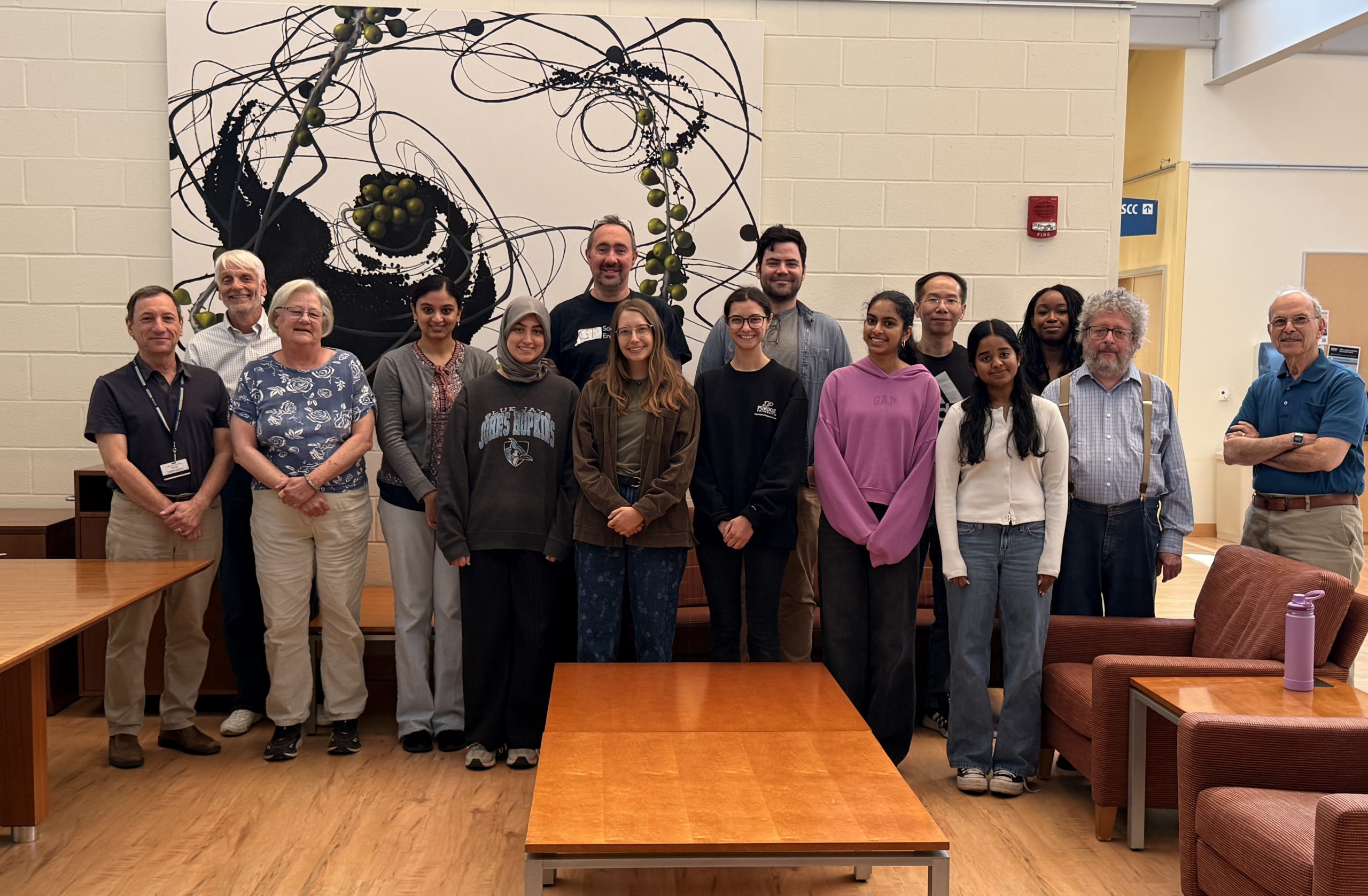
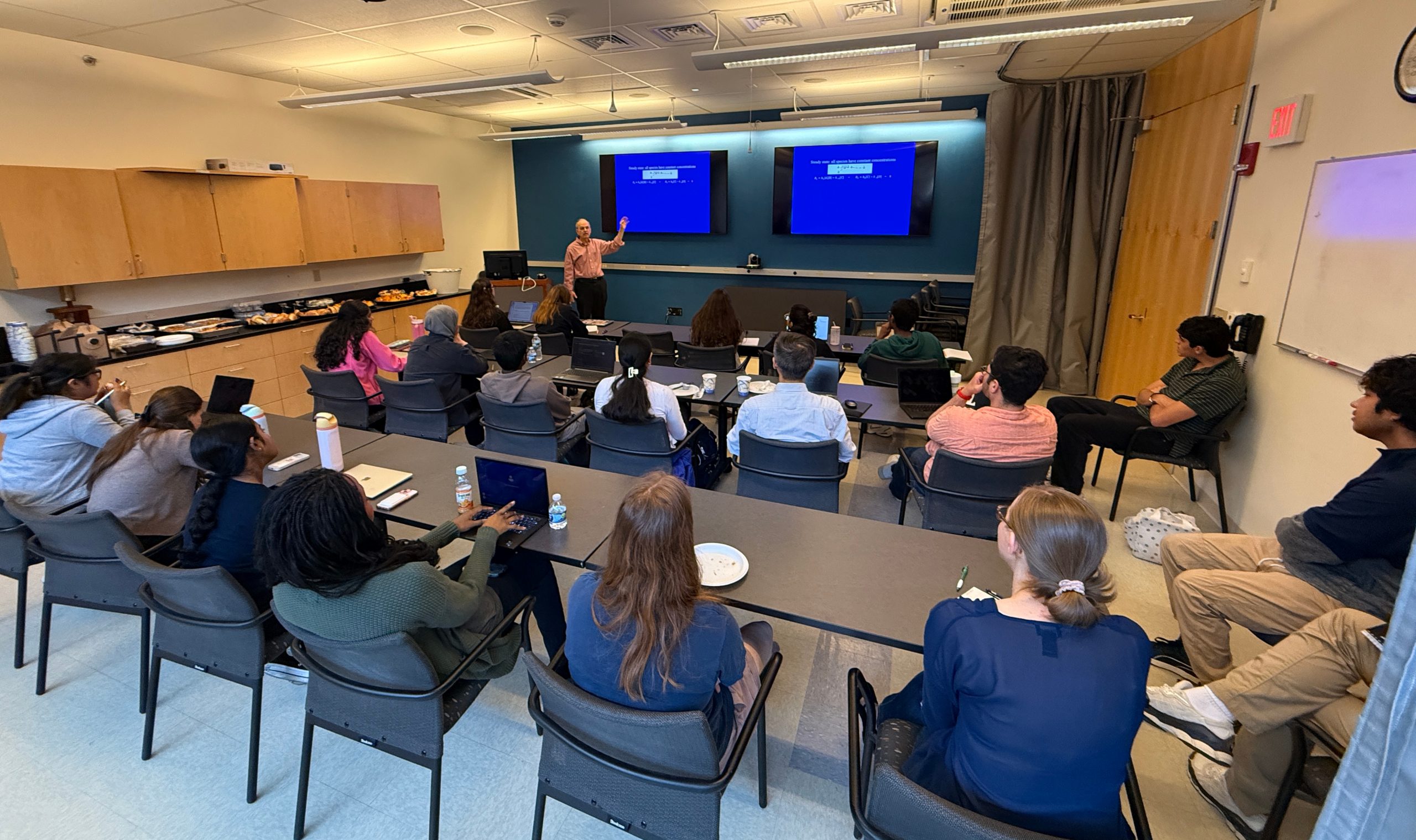
June 3, 2026. The 28th annual Computational Cell Biology workshop took place at the Center for Cell Analysis and Modeling on June 1-3. Eight participants from different US universities (John Hopkins, Purdue, University of Tennessee, University of Connecticut) came for three days to learn VCell, COPASI and SpringSaLaD and develop projects under the guidance of our modelers.

28th Computational Cell Biology workshop