Month: July 2026

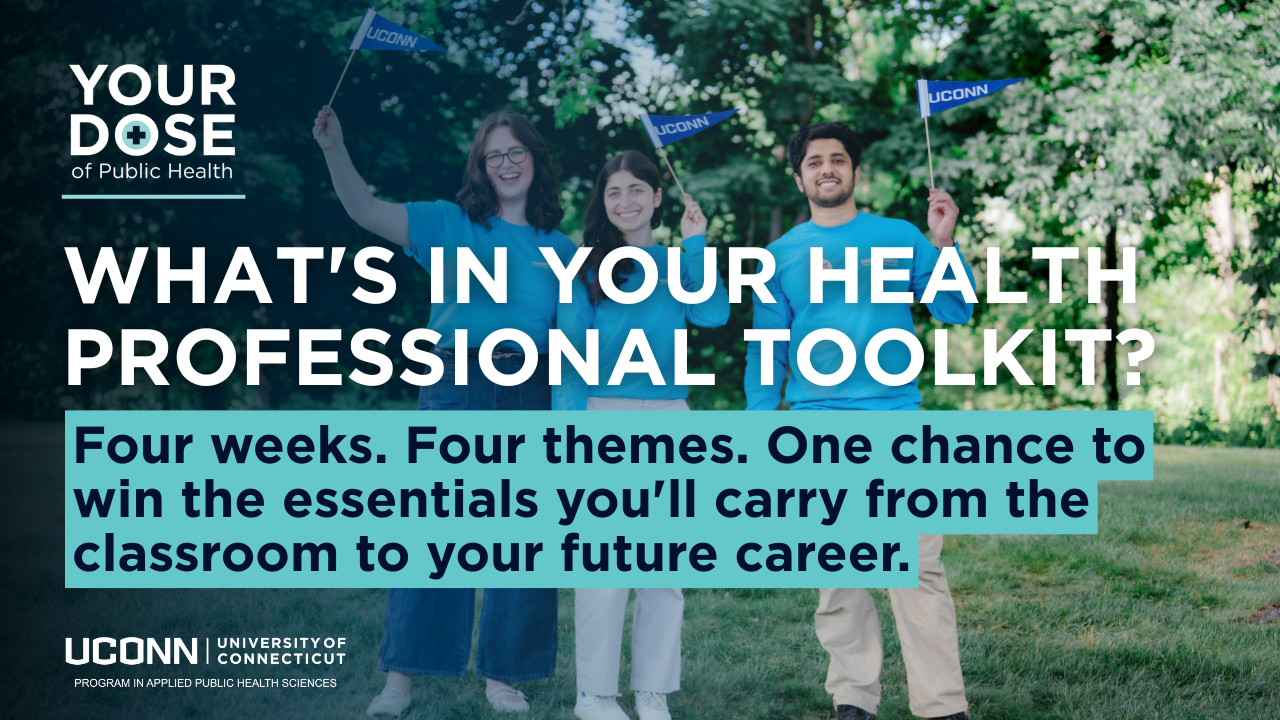
Every Great Health Career Starts with a Toolkit

This August, we invite you to think about what belongs in your own Health Professional Toolkit. Whether you’re interested in public health, nursing, pre-med, exercise science, psychology, healthcare administration, nutrition, or another health-related field, there are many paths to creating impact.

Follow us on all our platforms below for a chance to win ur Back-to-School Health Professional Toolkit Mystery Bag!

Linkedin

Instagram

Facebook

YouTube

How to Enter

  • React to a campaign post or participate in a poll: 1 entry
  • Leave a meaningful comment: 2 bonus entries
  • Share a campaign post, tag us and a friend: 3 bonus entries

One participant will receive a Health Professional Toolkit Mystery Bag filled with UConn swag, study supplies, wellness items, professional development resources, and a few public health-themed surprises.

Official Rules

  • Open to U.S. residents who are at least 18 years old at the time of entry.
  • UConn faculty and staff are not eligible to enter.
  • No purchase necessary.
  • Winner will be selected at random from all eligible entries received during the campaign.
  • Void where prohibited by law.

Read the full newsletter here.

Subscribe to Your Dose of Public Health on LinkedIn today!
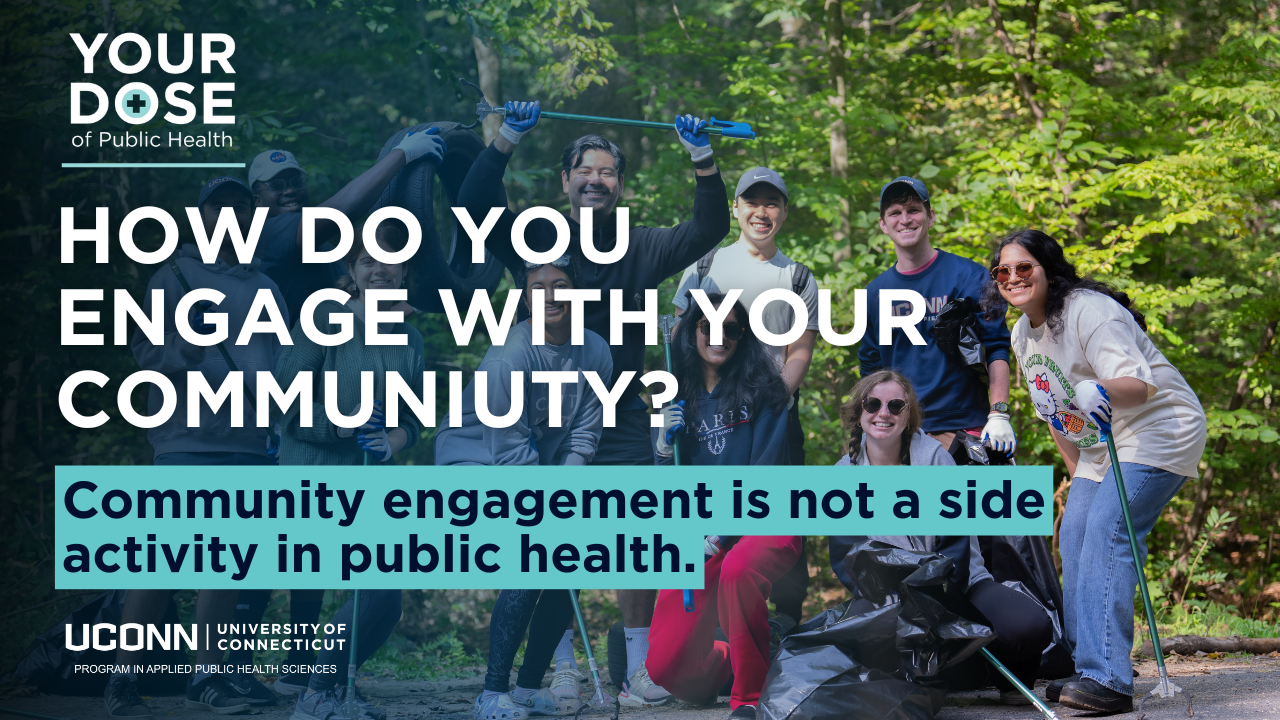
Beyond the Classroom: The Power of Community Engagement

image of students and faculty working outdoors with miscellaneous gardening tools. text "How do You Engage with Your Community" overlays image.

Public health education extends far beyond lectures and textbooks. In this article, we explore how community engagement experiences—from volunteer initiatives and service-learning opportunities to partnerships with local organizations—help prepare future public health professionals to address real-world challenges. By working directly with communities, students gain valuable skills in leadership, cultural humility, communication, and advocacy while making meaningful impacts on population health.

Discover why hands-on experiences are essential in shaping the next generation of public health leaders and learn how community engagement strengthens both student learning and community well-being.

Read the full newsletter here.

Subscribe to Your Dose of Public Health on LinkedIn today!
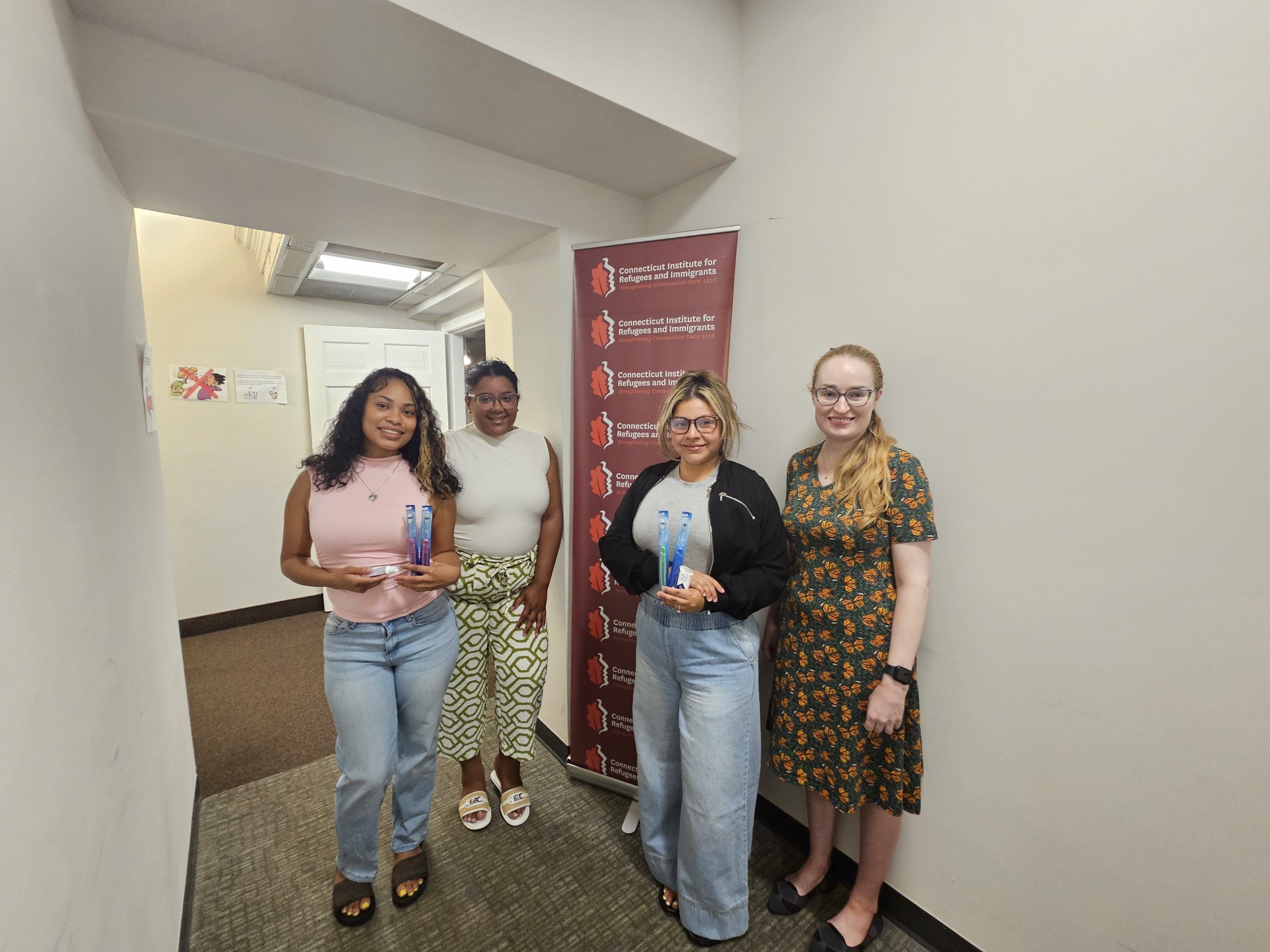
PHS Supports CIRI Through Community Donation Effort

Image of CIRI staff members holding donated dental items


The Department of Public Health Sciences recently had the opportunity to give back to the community through a donation initiative benefiting the Connecticut Institute for Refugees and Immigrants (CIRI).

Thanks to the generosity of the UConn School of Dental Medicine, our department delivered nearly 800 dental hygiene products, including toothbrushes, toothpaste, and floss, to support CIRI’s workshops and meet the everyday needs of the individuals and families they serve.

CIRI has long been a vital resource in Connecticut, providing compassionate, high-quality legal, social, and educational services to refugees, immigrants, and survivors of human trafficking and torture. In addition to helping individuals navigate complex systems and rebuild their lives, the organization works to ensure that families have access to essential resources that promote health, dignity, and well-being.

Access to basic hygiene products is an important, yet often overlooked, aspect of public health. Items such as toothbrushes and toothpaste play a significant role in preventing disease, promoting overall health, and supporting quality of life. By contributing these essentials, our department and partners hope to help reduce barriers to care and support the health of community members across Connecticut.

This donation effort reflects our department’s ongoing commitment to community engagement, health equity, and service. Collaborations like these demonstrate the power of partnership and the meaningful impact that can be made when organizations come together to address community needs.

We are grateful to the UConn School of Dental Medicine for their generous contribution and to CIRI for the incredible work they do every day in supporting some of Connecticut’s most vulnerable populations. We look forward to continuing opportunities to partner with organizations that advance health, equity, and community well-being.


Learn how you can help: https://health.uconn.edu/public-health-sciences/2026/05/18/2026-spring-cleaning-donation-drive/

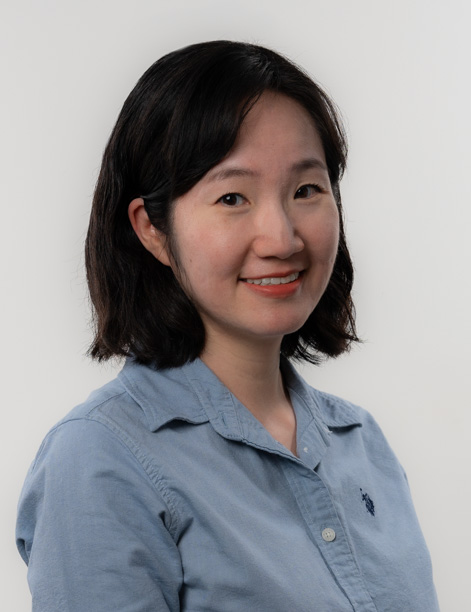
Dr. Youngji Jo Awarded NIH K01 to Advance Chronic Disease Care

Portrait of Youngi Jo

Dr. Youngji Jo, Assistant Professor in Public Health Sciences, was awarded a K01 titled “Evaluating the Impact of Integrated and Differentiated HIV–NCD Service Delivery through Mathematical Modeling.” The project develops a behavior- and systems-aware model to evaluate integrated service delivery for multimorbidity management. Drawing on the Center for Infectious Disease Research in Zambia (CIDRZ)’s large NIH-funded trial dataset (TASKPEN), the work will inform highly effective and cost-effective intervention approaches under the health-system constraints — capacity and budget — that must be addressed for integrated service delivery to scale.

This setting provides a unique, accelerated opportunity to study multimorbidity patterns, care-delivery challenges, and outcomes of integrated care models directly relevant to older adults living with HIV in the United States. With 54% of U.S. people living with HIV now aged 50 or older and an estimated 60–80% experiencing multimorbidity, this work will inform integrated care for Ryan White clinics and other safety-net systems, where strengthening chronic disease coordination is a national priority.

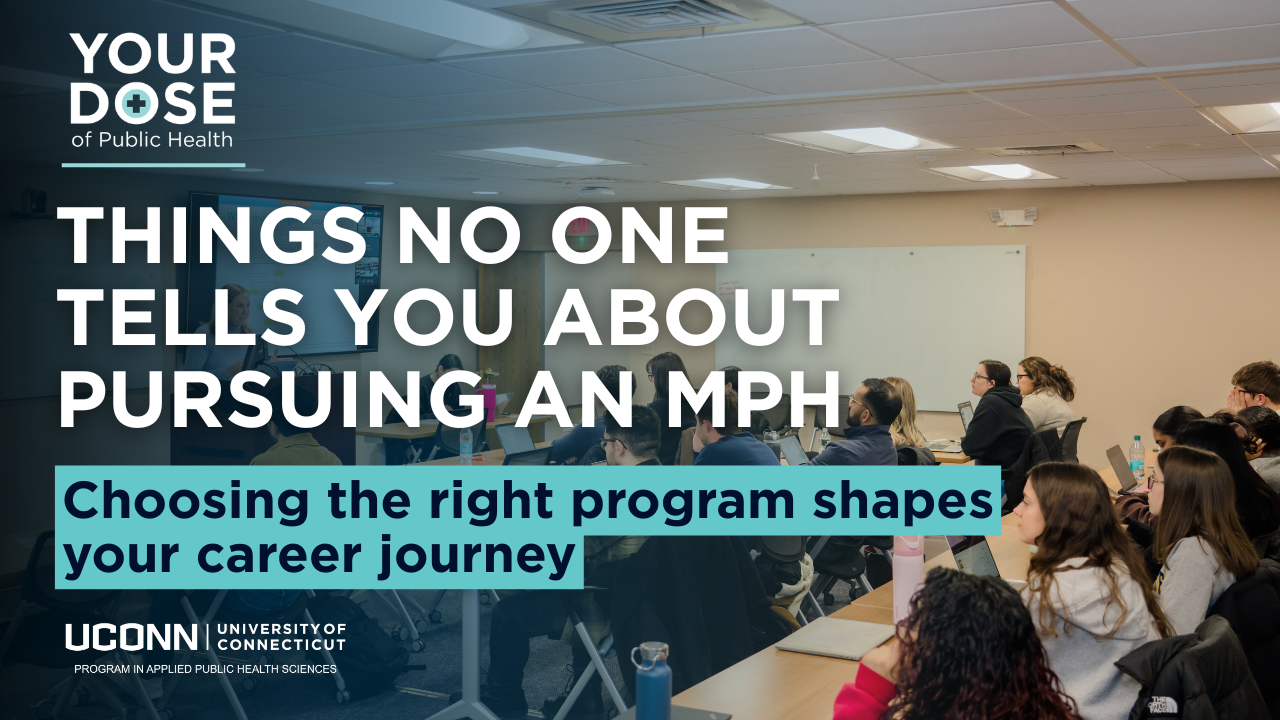
Not all MPH programs are built the same

things no one tells you about pursuing an MPH

If you’re considering a Master of Public Health (MPH), you’ve probably already looked at course lists, admissions requirements, and career options. But there are a few realities about MPH programs that aren’t always obvious when you’re researching schools.

Choosing the right program can shape your professional network, career opportunities, and overall graduate school experience. Before you submit your application, here are six things every prospective MPH student should know.

Read the full newsletter here

Subscribe to Your Dose of Public Health on LinkedIn today!