Month: August 2026

Dr. Jenn Cavallari Awarded Funding to Strengthen Workplace Health

Jennifer Cavallari

Dr. Jenn Cavallari, Professor in Public Health Sciences and Co-Director of the Center for the Promotion of Health in the New England Workplace (CPH-NEW), a NIOSH Total Worker Health® Center of Excellence, has received a supplemental sixth year of funding for the five-year “CPH-NEW IV” grant. The supplemental award provides an additional to extend the Center’s work in partnership with collaborators at the University of Massachusetts at Lowell and the University of Connecticut on this award.

CPH-NEW IV is a multi-project center grant focused on advancing the science, practice, and policy of Total Worker Health® (TWH), an approach that integrates protection from work-related safety and health hazards with promotion of worker well-being.

Outreach Core: The Outreach Core advances TWH science, practice, and policy through professional and pre-professional education; communication and dissemination of TWH research findings and evidence-based tools; and capacity-building activities that support organizations in adopting, implementing, and sustaining TWH approaches.

Total Teacher Health Core: The Total Teacher Health Core pilots and evaluates the Educator Well-being Program, a TWH approach that empowers educators to identify and address organizational conditions that affect health, well-being, and retention, while strengthening capacity for sustainable, systems-level improvements.

SHIFT Core: The Safety and Health through Integrated, Facilitated Teams II (SHIFT II) project is a participatory TWH project that empowers healthcare workers to identify and address workplace conditions affecting safety, health, and well-being through the Healthy Workplace Participatory Program and worker leadership training.
Healthy Schools, Stronger Outcomes: Why IAQ Matters

A newly published review article co-authored by Misti Levy Zamora, along with first author Hannah Cooke and Jess Hollenbach of Connecticut Children’s Medical Center (CCMC), examines an important but often overlooked component of healthy school environments: the relationship between indoor air quality, student achievement, and educator well-being.

Research on school indoor air quality (IAQ) has historically focused on its effects on children and student health. While these impacts remain critical, educators spend much of their working lives in the same environments and can also experience the consequences of poor IAQ. The new review draws attention to this gap, emphasizing the importance of considering educator health alongside student outcomes when evaluating the quality of school environments.

The authors highlight that educator well-being has implications that extend throughout the school community. Teacher health and well-being can influence educator retention, classroom experiences, student outcomes, and overall academic success. Understanding how the physical school environment affects educators is therefore an important part of creating healthier and more effective learning environments.

The review also reinforces existing evidence that poor IAQ can directly affect students. Exposure to inadequate classroom air quality has been associated with measurable declines in task accuracy, complex cognitive functioning, and daily attendance—all factors that can influence students’ ability to learn and succeed academically.

Together, these findings demonstrate that improving IAQ in schools is about more than maintaining buildings. Creating healthy indoor environments is an important public health strategy that supports the people who teach and learn in them every day.

By bringing student achievement and educator well-being into the same conversation, the review underscores the need to view school indoor air quality as a fundamental component of effective teaching, learning, and healthy school communities.

Read the full review article to learn more about the relationship between school IAQ, student outcomes, and educator well-being.

Beyond the Classroom: The Department’s Summer Donation Drive

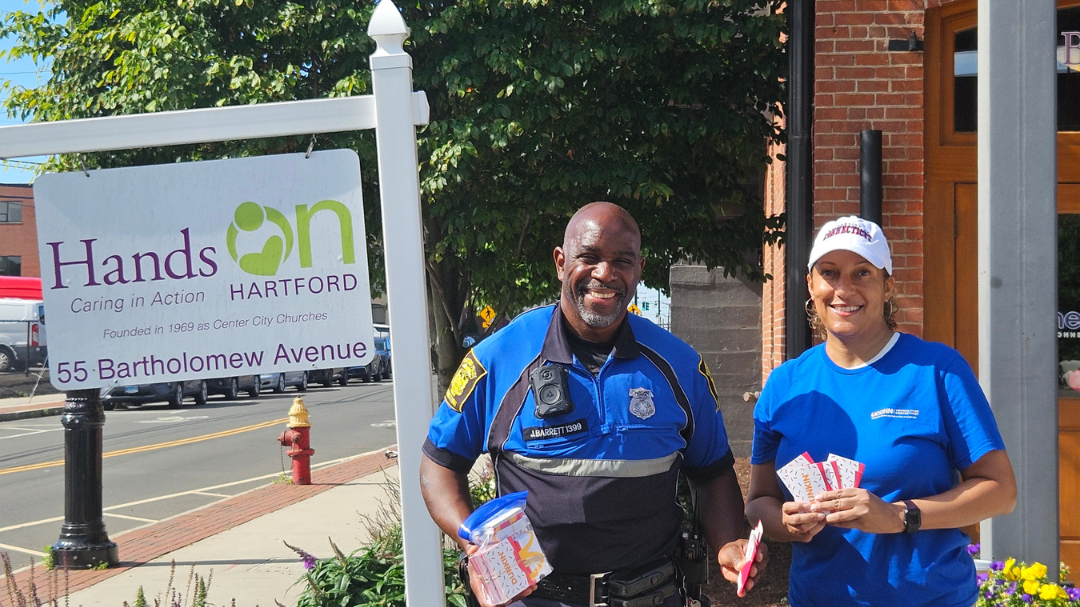
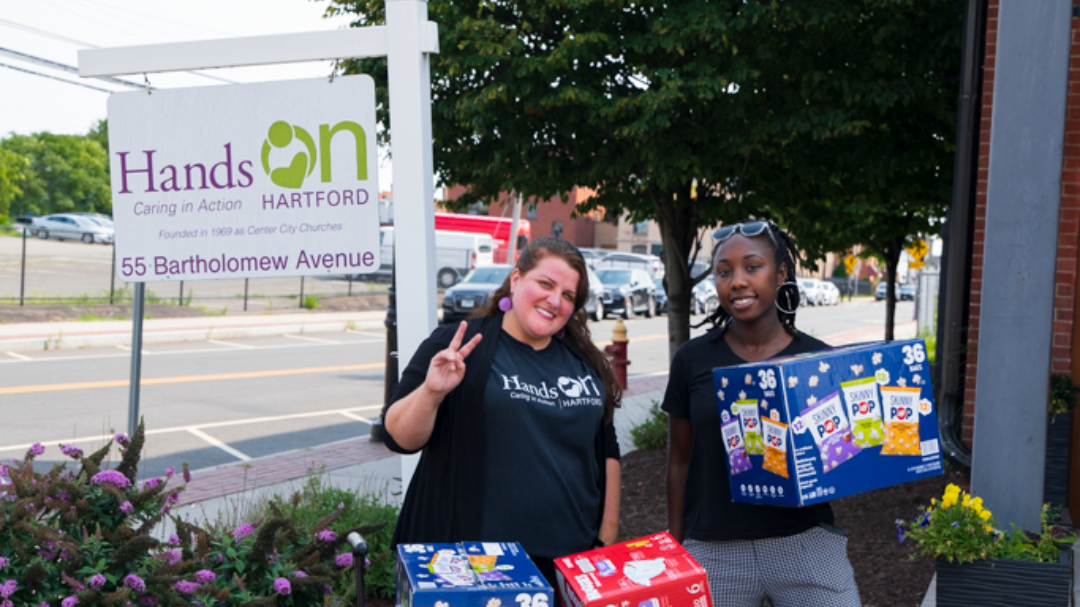
This summer, our department is proud to support three impactful initiatives dedicated to serving CT residents:  Hands On Hartford, Connecticut Institute for Refugees and Immigrants, and Community Service Officer Jim Barrett’s Homeless Outreach Program.

Public health extends far beyond the classroom, research laboratory, or health care setting. At the Department of Public Health Sciences, community engagement and service are a core part of our commitment to improving the health and well-being of the communities we serve.

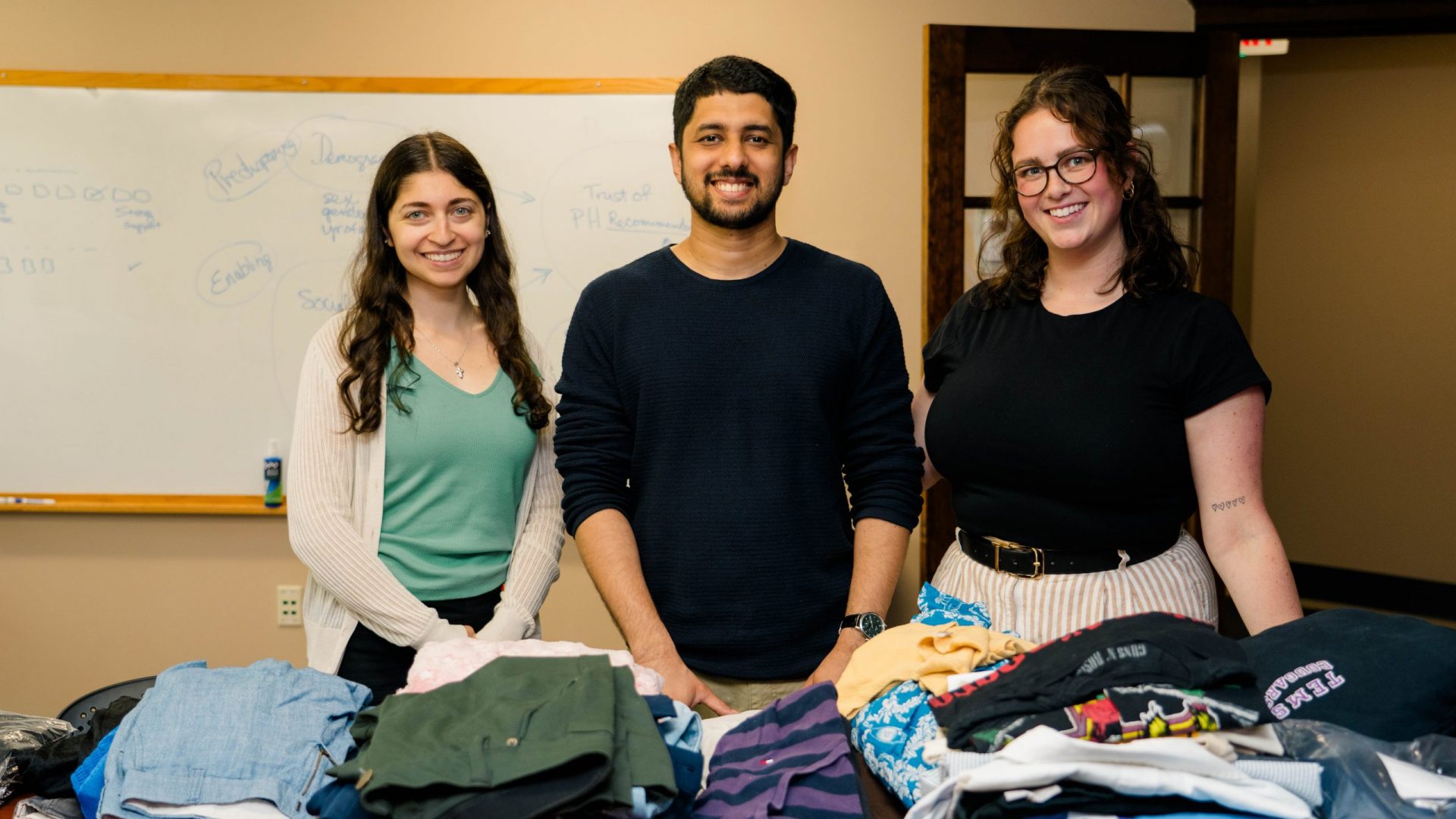
This summer, the department conducted a Summer Donation Drive which primarily focused on collecting essential items, including non-perishable food items, personal care and hygiene products, baby supplies, clothing, gift cards to fast-food restaurants, and bus passes. Access to basic necessities is critical to a person’s health and quality of life.

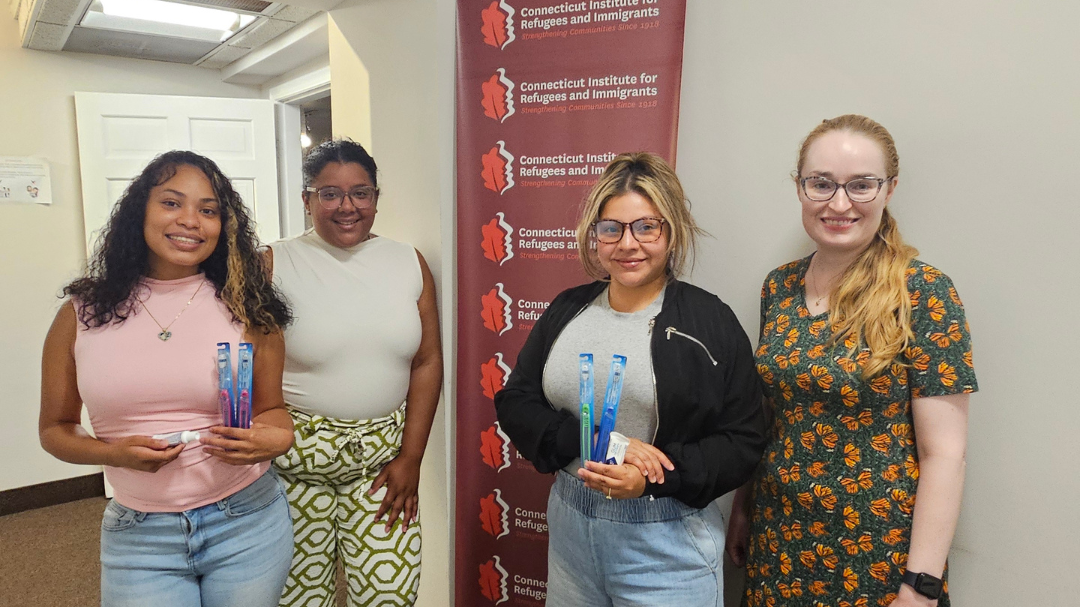
Since July, our team has donated a total of 1541 essential items to support individuals and families in need through Hands On Hartford and the Connecticut Institute for Refugees and Immigrants (CIRI). While 792 items were donated to CIRI, including toothbrushes, toothpaste, and floss, Hands On Hartford received 749 items, including food, personal care products, and baby supplies.

In addition to these 1541 donated items, 187 clothing and household items will be delivered to Center Church to support members of the community in need. We have also delivered over $600 in food gift cards to Officer Jim Barrett, who works closely with community members in need and will help get these resources into the right hands.

That gives us a whopping total of 1728 items donated!

We are grateful to everyone who contributed and helped make the drive a success. Every donation, every share, and every act of support helped make this drive a success. Together, we can continue to support our communities and demonstrate that public health is, at its heart, about people and the communities in which they live.

The Power of Prevention: Why Public Health Matters

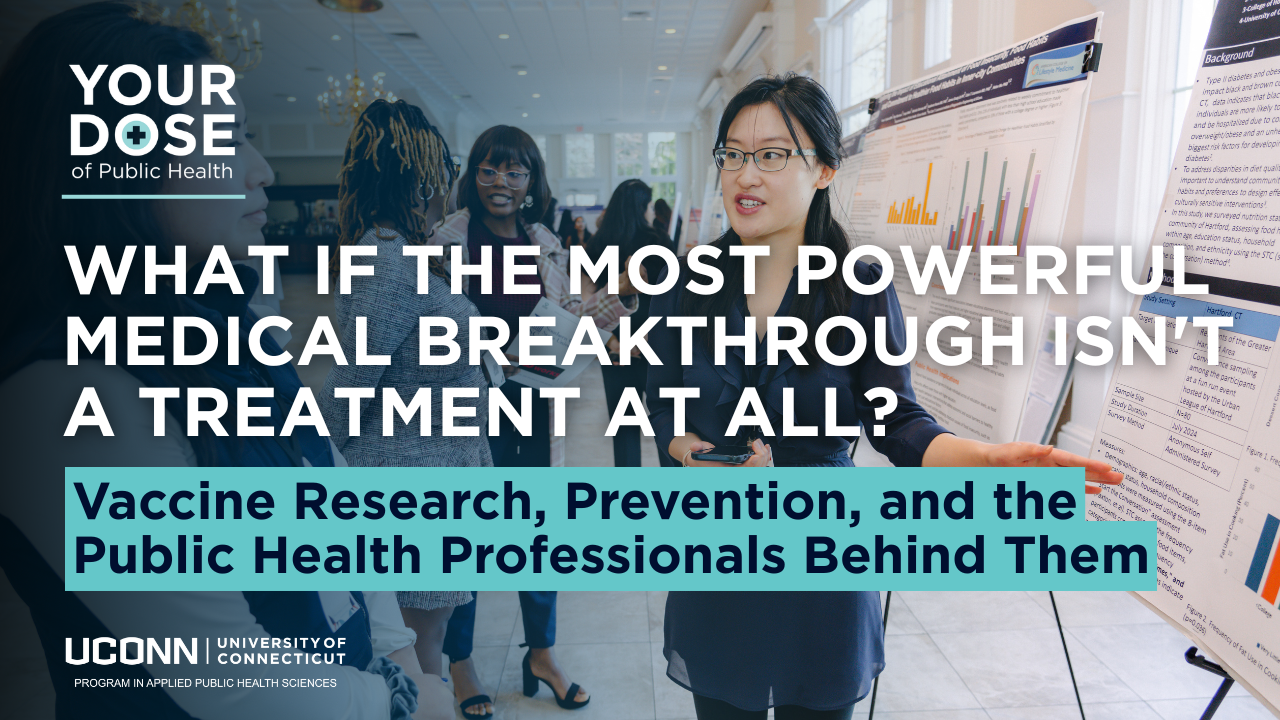
What If the Most Powerful Medical Breakthrough Isn't a Treatment at All? Vaccine Research, Prevention, and the Public Health Professionals Behind Them

Vaccines are only one part of the larger public health story.

Every day, public health professionals work to prevent disease, promote healthy behaviors, improve access to care, and create healthier environments where people live, work, and learn.

The next time you hear a public health issue trending in the news, consider the people behind the science, data, education, and community partnerships that help keep populations healthy.

Subscribe to Your Dose of Public Health on LinkedIn today!

Professional Toolkit Giveaway – Enter for a chance to win

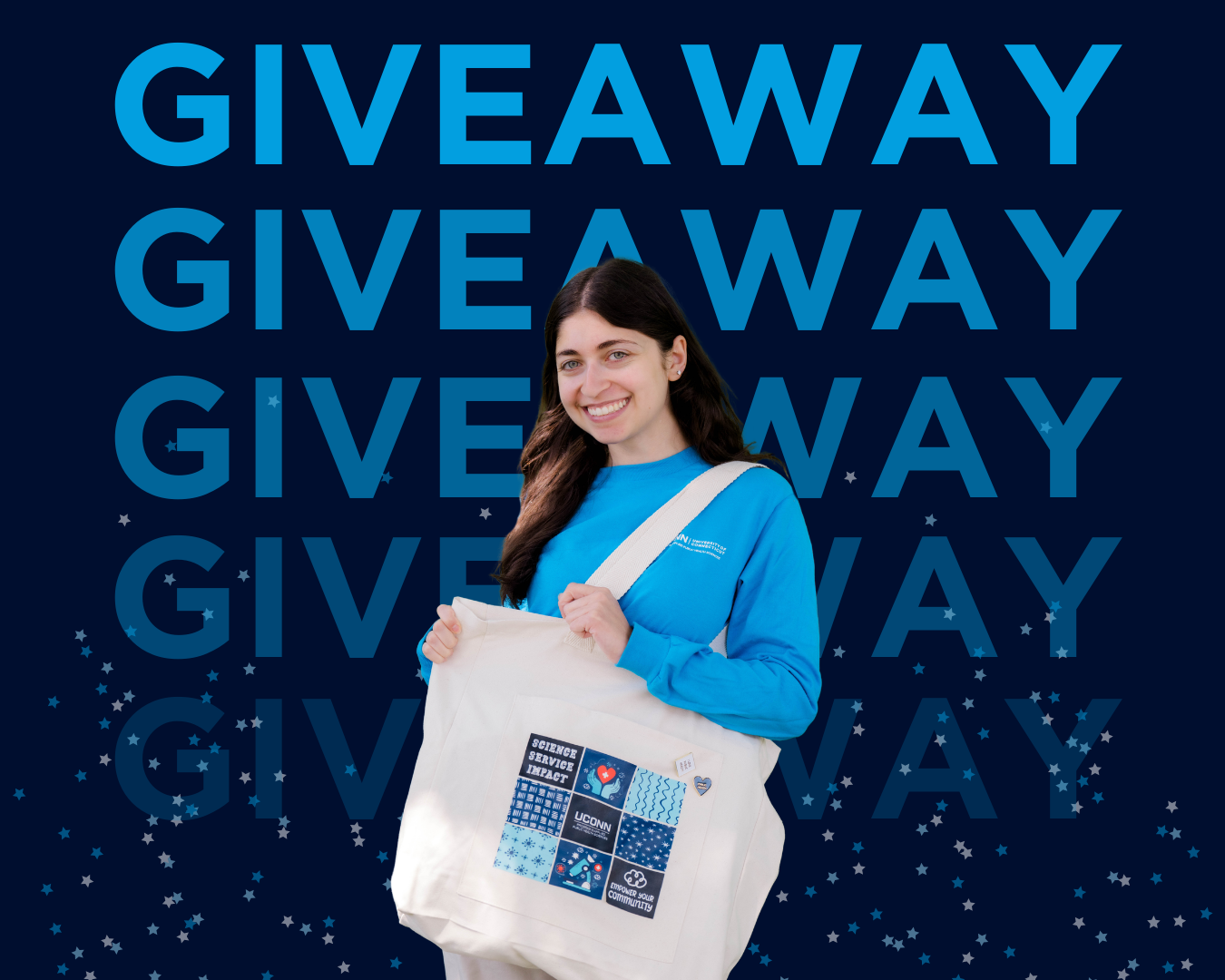
taline norsigian with a tote bag with the word giveaway behind her

Over the next four weeks, the Department of Public Health Sciences is running a social media campaign called What Is in Your Health Professional Toolkit? Each week takes up one part of the question, and we are asking students to weigh in — not just to read along. If you are studying public health, allied health sciences, nursing, exercise science, nutrition, psychology, healthcare administration, or you are on a pre-med or pre-PA track, this is aimed at you.

How to follow along

Find us on Instagram, Facebook, and LinkedIn

The four weeks

Week 1 — Career Goals & Inspiration. Where do you want to end up, and what pointed you there? We will share paths that public health graduates actually take, including the ones that are not obvious from the outside.

Week 2 — Skills for Success. The practical layer: data literacy, writing, working across disciplines, communicating with communities rather than at them. What you can start building now, before you need it.

Week 3 — College & Professional Life. Coursework, research opportunities, internships, and the unglamorous logistics of getting from a class roster to a résumé.

Week 4 — Future Impact. The long view — what students want to change, and how a career in public health connects to that.

The giveaway

To make participating a little more worthwhile, one participant will win a Back-to-School Health Professional Toolkit — a mystery bag with UConn swag, study supplies, wellness items, professional development resources, and a few public health–themed surprises.

Entries are earned through the same engagement the campaign is about, and they stack. You can enter more than once:

Action Entries
React to a campaign post or vote in a story poll 1 entry each
Leave a meaningful comment 2 bonus entries
Share a campaign post, tag us and tag a friend 3 bonus entries

Official rules

  • Open to U.S. residents who are at least 18 years old at the time of entry.
  • UConn faculty and staff are not eligible to enter.
  • No purchase necessary.
  • The campaign period ends on August 31st. The winner will be selected at random from all eligible entries received during the campaign period and contacted by direct message on the platform where the entry was made.
  • Void where prohibited by law.
  • This promotion is not sponsored, endorsed, or administered by, or associated with, Instagram, Facebook, or LinkedIn.

Find us on Instagram, Facebook, and LinkedIn