Author: Jini I Davis

The Power of Prevention: Why Public Health Matters

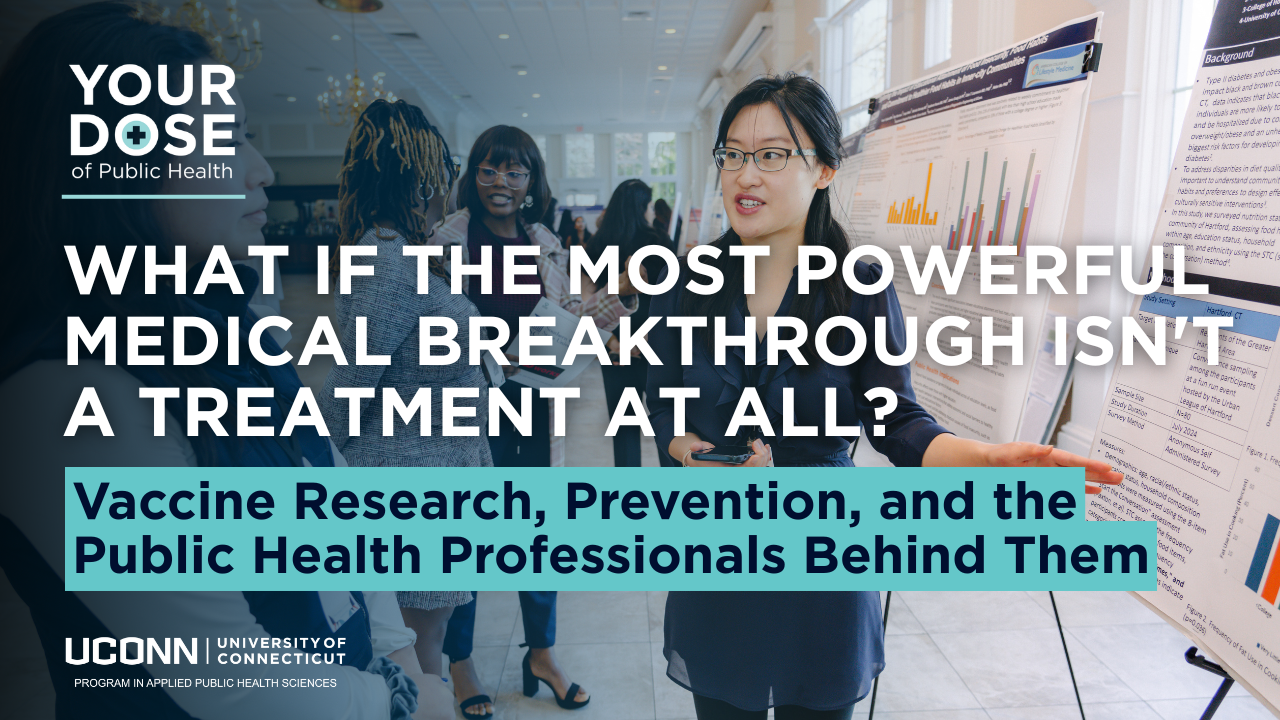
What If the Most Powerful Medical Breakthrough Isn't a Treatment at All? Vaccine Research, Prevention, and the Public Health Professionals Behind Them

Vaccines are only one part of the larger public health story.

Every day, public health professionals work to prevent disease, promote healthy behaviors, improve access to care, and create healthier environments where people live, work, and learn.

The next time you hear a public health issue trending in the news, consider the people behind the science, data, education, and community partnerships that help keep populations healthy.

Subscribe to Your Dose of Public Health on LinkedIn today!

Professional Toolkit Giveaway – Enter for a chance to win

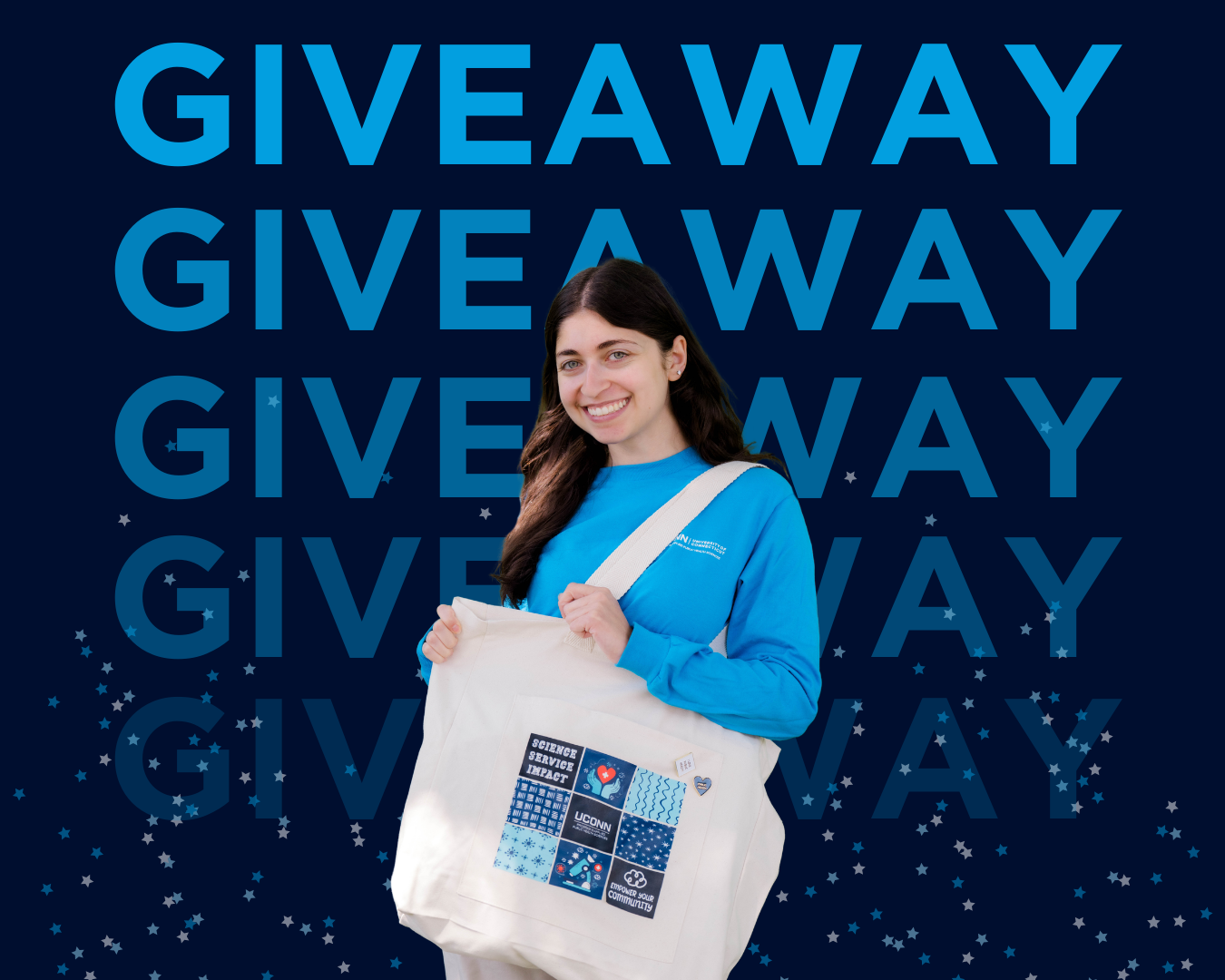
taline norsigian with a tote bag with the word giveaway behind her

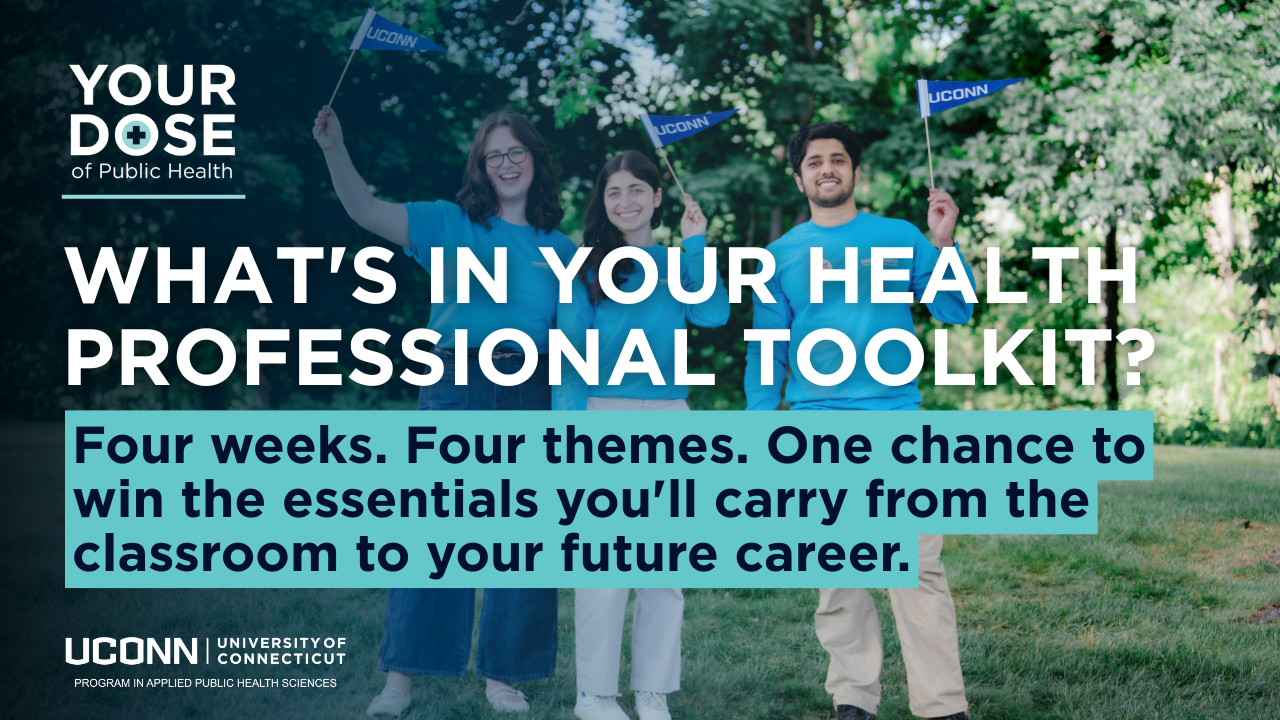
Over the next four weeks, the Department of Public Health Sciences is running a social media campaign called What Is in Your Health Professional Toolkit? Each week takes up one part of the question, and we are asking students to weigh in — not just to read along. If you are studying public health, allied health sciences, nursing, exercise science, nutrition, psychology, healthcare administration, or you are on a pre-med or pre-PA track, this is aimed at you.

How to follow along

Find us on Instagram, Facebook, and LinkedIn

The four weeks

Week 1 — Career Goals & Inspiration. Where do you want to end up, and what pointed you there? We will share paths that public health graduates actually take, including the ones that are not obvious from the outside.

Week 2 — Skills for Success. The practical layer: data literacy, writing, working across disciplines, communicating with communities rather than at them. What you can start building now, before you need it.

Week 3 — College & Professional Life. Coursework, research opportunities, internships, and the unglamorous logistics of getting from a class roster to a résumé.

Week 4 — Future Impact. The long view — what students want to change, and how a career in public health connects to that.

The giveaway

To make participating a little more worthwhile, one participant will win a Back-to-School Health Professional Toolkit — a mystery bag with UConn swag, study supplies, wellness items, professional development resources, and a few public health–themed surprises.

Entries are earned through the same engagement the campaign is about, and they stack. You can enter more than once:

Action Entries
React to a campaign post or vote in a story poll 1 entry each
Leave a meaningful comment 2 bonus entries
Share a campaign post, tag us and tag a friend 3 bonus entries

Official rules

  • Open to U.S. residents who are at least 18 years old at the time of entry.
  • UConn faculty and staff are not eligible to enter.
  • No purchase necessary.
  • The campaign period ends on August 31st. The winner will be selected at random from all eligible entries received during the campaign period and contacted by direct message on the platform where the entry was made.
  • Void where prohibited by law.
  • This promotion is not sponsored, endorsed, or administered by, or associated with, Instagram, Facebook, or LinkedIn.

Find us on Instagram, Facebook, and LinkedIn
Every Great Health Career Starts with a Toolkit

This August, we invite you to think about what belongs in your own Health Professional Toolkit. Whether you’re interested in public health, nursing, pre-med, exercise science, psychology, healthcare administration, nutrition, or another health-related field, there are many paths to creating impact.

Follow us on all our platforms below for a chance to win ur Back-to-School Health Professional Toolkit Mystery Bag!

Linkedin

Instagram

Facebook

YouTube

How to Enter

  • React to a campaign post or participate in a poll: 1 entry
  • Leave a meaningful comment: 2 bonus entries
  • Share a campaign post, tag us and a friend: 3 bonus entries

One participant will receive a Health Professional Toolkit Mystery Bag filled with UConn swag, study supplies, wellness items, professional development resources, and a few public health-themed surprises.

Official Rules

  • Open to U.S. residents who are at least 18 years old at the time of entry.
  • UConn faculty and staff are not eligible to enter.
  • No purchase necessary.
  • Winner will be selected at random from all eligible entries received during the campaign.
  • Void where prohibited by law.

Read the full newsletter here.

Subscribe to Your Dose of Public Health on LinkedIn today!

Dr. Youngji Jo Awarded NIH K01 to Advance Chronic Disease Care

Portrait of Youngi Jo

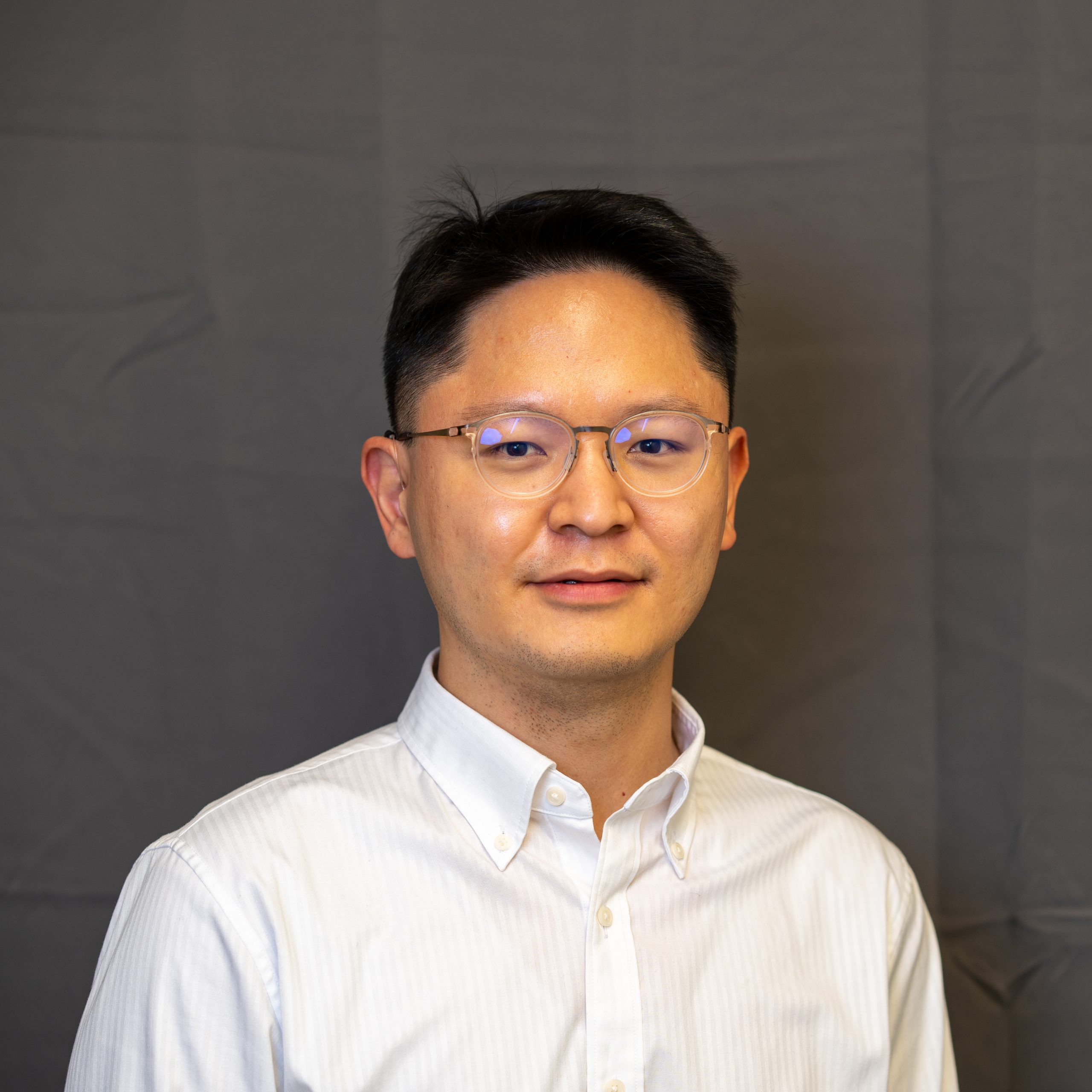
Dr. Youngji Jo, Assistant Professor in Public Health Sciences, was awarded a K01 titled “Evaluating the Impact of Integrated and Differentiated HIV–NCD Service Delivery through Mathematical Modeling.” The project develops a behavior- and systems-aware model to evaluate integrated service delivery for multimorbidity management. Drawing on the Center for Infectious Disease Research in Zambia (CIDRZ)’s large NIH-funded trial dataset (TASKPEN), the work will inform highly effective and cost-effective intervention approaches under the health-system constraints — capacity and budget — that must be addressed for integrated service delivery to scale.

This setting provides a unique, accelerated opportunity to study multimorbidity patterns, care-delivery challenges, and outcomes of integrated care models directly relevant to older adults living with HIV in the United States. With 54% of U.S. people living with HIV now aged 50 or older and an estimated 60–80% experiencing multimorbidity, this work will inform integrated care for Ryan White clinics and other safety-net systems, where strengthening chronic disease coordination is a national priority.

Not all MPH programs are built the same

things no one tells you about pursuing an MPH

If you’re considering a Master of Public Health (MPH), you’ve probably already looked at course lists, admissions requirements, and career options. But there are a few realities about MPH programs that aren’t always obvious when you’re researching schools.

Choosing the right program can shape your professional network, career opportunities, and overall graduate school experience. Before you submit your application, here are six things every prospective MPH student should know.

Read the full newsletter here

Subscribe to Your Dose of Public Health on LinkedIn today!

PHS Donates Over $600 in Food Gift Cards to Help Those in Need

Jim Barrett and Dr. Stacey Brown at Hands on Hartford

Thanks to everyone’s generosity, we collected over $600 in fast food gift cards to help people in need this summer. Small contributions like these can go a long way, especially for individuals facing limited access to food or support.

Last week, Community Service Officer Jim Barrett met with our program director at Hands On Hartford to collect the donations. Officer Barrett gives these gift cards directly to people who are not connected to local programs, helping them get a meal when they need it.

We are proud of our team for showing up for the community and encourage continued support. Every contribution makes a difference.

Learn about Officer Barrett’s role in the community in the video below.

Many community members are facing reduced assistance, unexpected hardships, and limited access to food or clothing. If you would like to contribute, we are still collecting items.

Learn how you can help: https://shorturl.at/A2MwJ

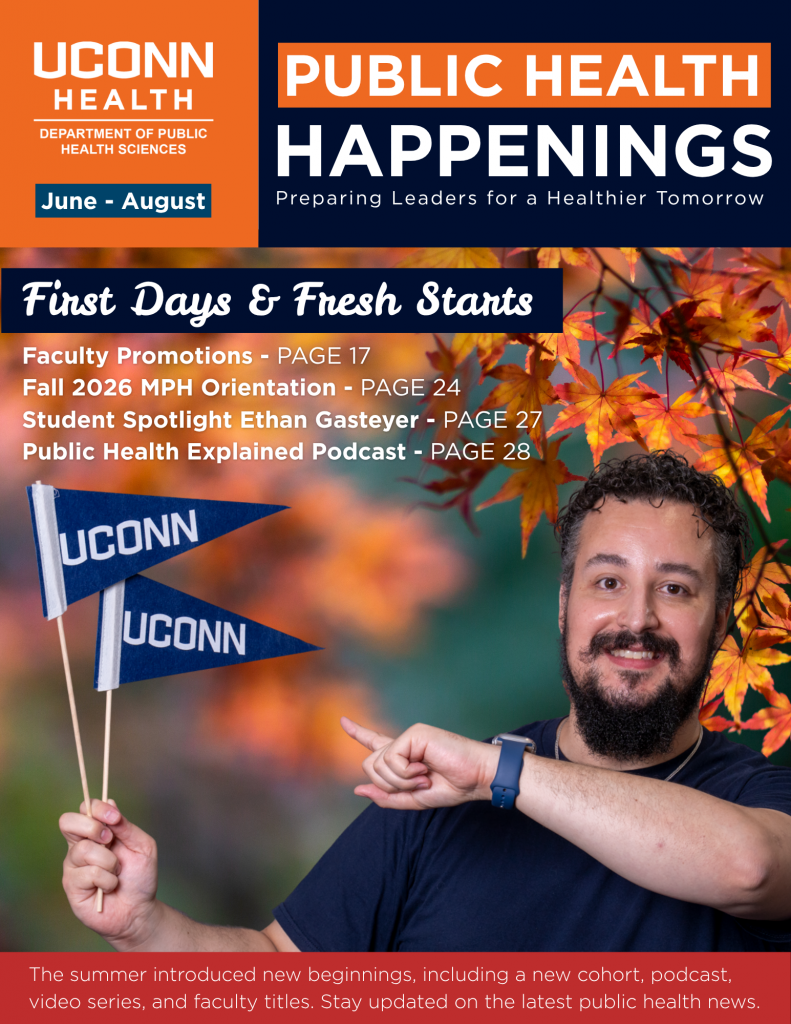
Public Health Sciences Newsletter – March to May

As the academic year comes to a close, the Department of Public Health Sciences at UConn reflects on a vibrant and impactful spring semester—one marked by student achievement, faculty innovation, and deep community engagement.

This issue of our Spring 2026 newsletter highlights the many ways our community continues to advance public health both within and beyond the classroom.

Celebrating Our Graduates

We proudly recognized the Class of 2026 through a series of milestone events, including the annual poster session, graduation dinner, and commencement ceremony. These moments honored not only academic achievement, but also the real-world impact our graduates are already making in their communities and beyond.

Advancing Research & Innovation

Faculty and research teams continued to push the field forward this semester, tackling critical issues such as adolescent sleep health, treatment-resistant depression, environmental air quality, and data-driven public health policy.

From nationally recognized publications to collaborative grant-funded projects, these efforts reflect our commitment to improving population health through evidence-based solutions.

Public Health in Action

Our students, faculty, and staff remained deeply engaged in the community, participating in events such as the Black Family Wellness Expo, WishFest, and volunteer initiatives with organizations like Hands on Hartford.

These experiences bring public health to life—connecting education, service, and advocacy in meaningful ways.

Student Growth & Leadership

This semester also showcased student leadership through research symposia, enrichment programming, community-based learning, and new initiatives like Munch & Mingle.
From mentoring high school students to presenting equity-focused research, our students continue to lead with purpose and impact.


As we move into the summer season, this issue is a reminder that public health is not just a discipline—it’s a community built on collaboration, resilience, and care for one another.

We invite you to explore the full newsletter and celebrate the people and work shaping healthier futures.

Read the full issue today

2026 Spring Cleaning Donation Drive

This season, our department is proud to support 3 impactful initiatives dedicated to serving CT residents: Community Service Officer Jim Barrett’s Homeless Outreach Program, Hands On Hartford, and Connecticut Institute for Refugees and Immigrants.

As the weather gets warmer, and financial instability continues to rise, community support is more important than ever.

About Community Service Officers & Officer Jim Barrett
Learn about Officer Barrett here: https://youtu.be/miVDWB2X3Yc

Community Service Officers work directly within Hartford neighborhoods, building relationships, attending community events, and addressing quality-of-life concerns. Officer Jim Barrett, the city’s homeless outreach officer, goes above and beyond to support unhoused individuals. His compassionate work has been recognized locally and nationally.

About Hands On Hartford (HOH)
Support their work here: https://handsonhartford.org/support/

Hands On Hartford strengthens the community through housing support, food access, homelessness prevention, and outreach services. Their MANNA Community Pantry, Backpack Nutrition Program, Supportive Housing, and Shared Use Kitchen all play a crucial role in meeting basic needs and fostering long-term stability. Their participation-based restaurant, Gather55, welcomes everyone—regardless of ability to pay—creating a space where community and compassion meet over a shared meal.

They also operate a Day Program that provides referrals, shelter support, health screenings, and a safe environment for those experiencing homelessness. With more than 1,400 volunteers each year and support from civic, faith-based, and organizational partners, Hands On Hartford continues to create a healthier, more inclusive Hartford for all.

About the Connecticut Institute for Refugees and Immigrants (CIRI)
Learn more about their mission here:
https://cirict.org/who-we-are/

CIRI provides a compassionate array of high-quality legal, social, and educational programming for refugees, immigrants, and survivors of human trafficking and torture.

CIRI is a statewide nonprofit organization that assists refugees and immigrants resolve legal, economic, linguistic and social barriers so that they become self-sufficient, integrated and contributing members of the community. CIRI achieves this mission by providing a compassionate array of high-quality legal, social and educational programming and by promoting cross cultural understanding and decent treatment for all.

How You Can Help
This year, many community members are facing reduced assistance, unexpected hardships, and limited access to food or clothing. Even small contributions can make a meaningful difference—especially items like $5 fast-food gift cards, which provide unhoused individuals the opportunity to purchase a meal.

Most-needed items include:

  • Financial contributions 
    Please contact the following emails:
    jindavis@uchc.edu, lcook@uchc.edu, samociuk@uchc.edu, and parris@uchc.edu
  • Nonperishable food
  • Full-size toiletries & household essentials
  • Food for children’s backpack nutrition program
  • Hygiene products
    Examples but not limited to: body powder, travel size toothpaste, and deodorant
  • Diapers (sizes 4-5)
  • Baby wipes
  • Reusable water bottles
  • Small water bottles
  • Pedometers
  • Clothing
    Examples but not limited to: Boxer Briefs ( L, XL, 1X, 2X), Tee Shirts  (M, L, XL, 1X, 2X)
  • Adult Back Packs
  • $5 fast-food gift cards to McDonalds, Burger King and Dunkin Donuts
  • Bus passes

Your generosity directly supports individuals and families navigating challenging times. Thank you for helping us make a positive impact this season.