UConn Health · School of Medicine
Office of Physician-Scientist Career Development
Bridging the gap between biomedical discovery and patient care — supporting physician-scientists at every stage of their career.
Our Community
Physician-scientists at UConn Health — in the lab, at the bedside, and in collaboration.
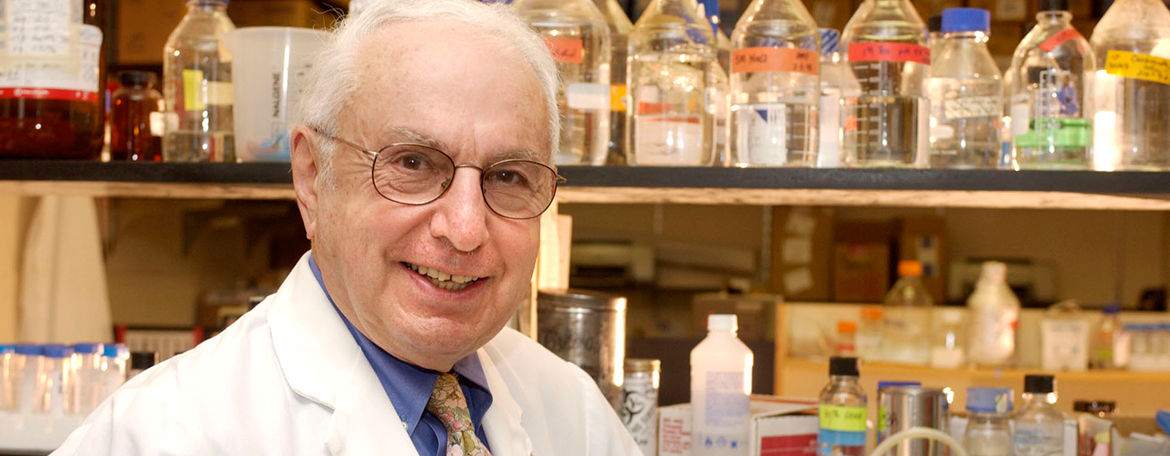
Physician-Scientist Faculty
Our faculty bring decades of experience bridging the lab and the clinic, mentoring the next generation of physician-scientists at UConn Health.
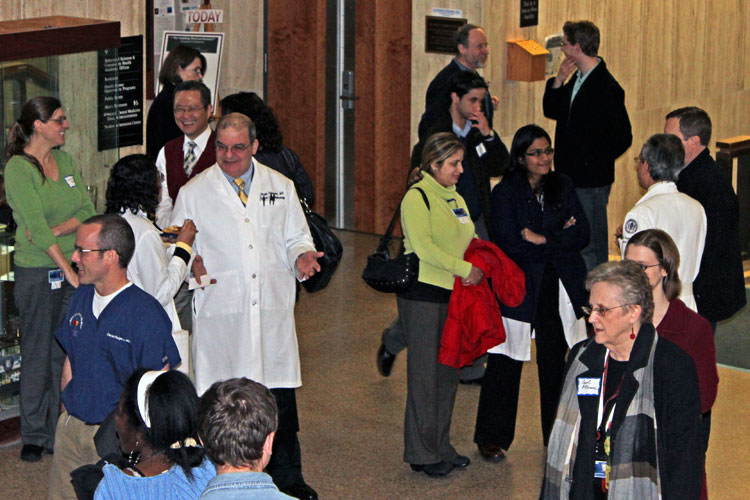
Physician-Scientist Colloquium
Our annual colloquium brings together physicians, researchers, and trainees for a day of collaboration, discovery, and community building.
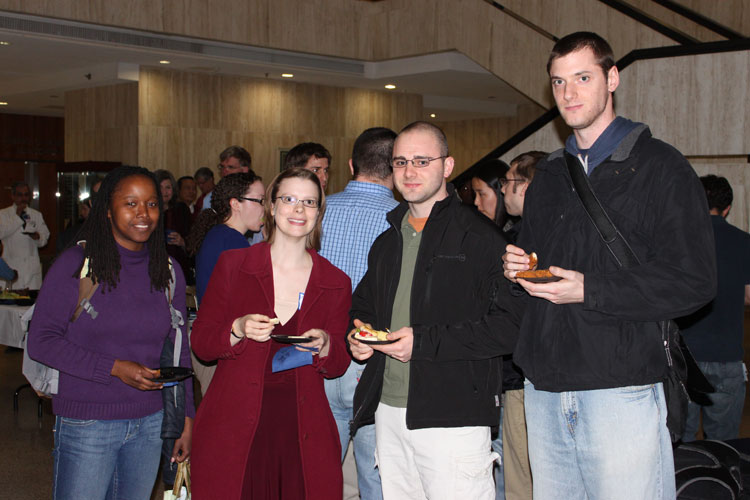
A Thriving Community
Networking, discussion, and shared purpose define the UConn Health physician-scientist community at every stage of training and career.
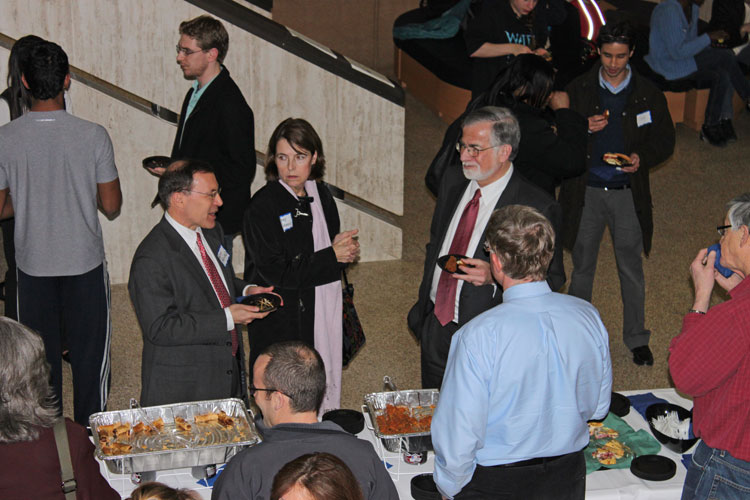
Collaboration in Action
From residents to faculty, our colloquium sessions foster the cross-disciplinary conversations that drive biomedical innovation forward.
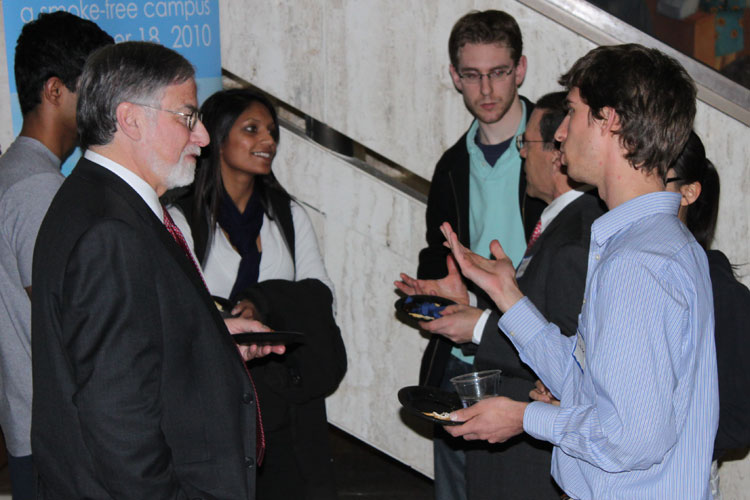
Open Discussion
Candid conversations between clinicians and scientists are at the heart of what makes UConn Health’s physician-scientist program unique.
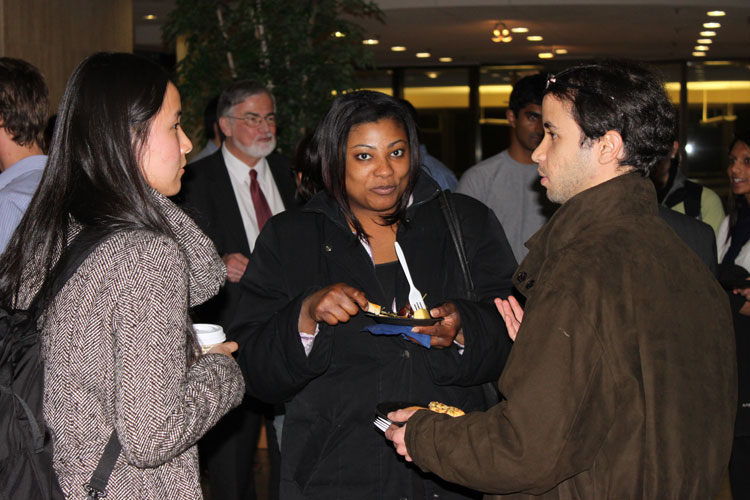
Growing Together
Whether you’re a medical student exploring research or a faculty member seeking funding support, our community grows stronger together.
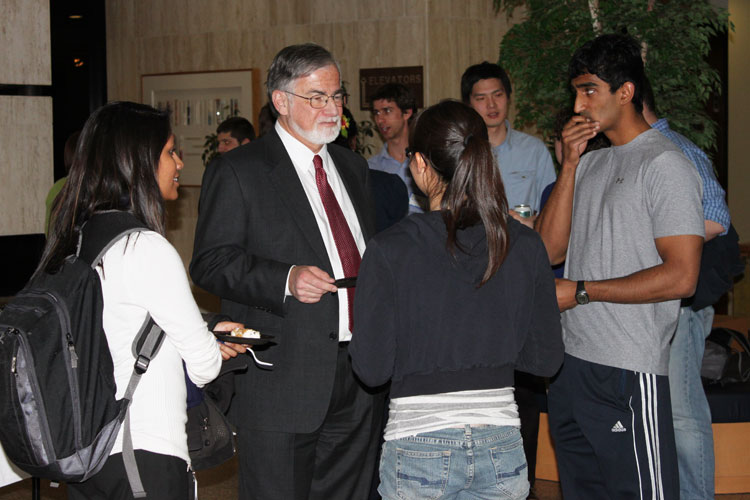
Connecting Across Careers
Our events connect physician-scientists at every level — from first-year medical students to senior faculty — creating lasting professional relationships.
Our Mission & Vision
Welcome to the Office of Physician-Scientist Career Development. Physician-scientists are especially well positioned to bring the fruits of basic biomedical research to the bedside. In addition, the scientific opportunities potentially ripe for such translation have never been greater.
However, the number of individuals choosing and pursuing a physician-scientist career pathway has declined precipitously over the past several decades. This low flow in the physician-scientist pipeline is a major obstacle to the central mission of academic medicine — to improve human health through advancements in knowledge.
Many factors have been discussed as contributing to the problem: debt burden, lack of training opportunities for medical student research and for “late bloomers” who become interested in research after residency, perceptions of lifestyle factors and funding uncertainties, selection biases of medical school admission committees, and the appeal of readily available alternative career opportunities.
For young physician-scientist faculty — those with an M.D. or equivalent degree engaged in biomedical research as a major component of their effort — a challenge occurs in identifying both mentoring and resources for protected time, to help them succeed in the competitive environment of biomedical research.
The Office of Physician-Scientist Career Development is intended to constitute an important part of the University of Connecticut’s response to this local and national need. We serve as a central resource in the School of Medicine for aspiring or active physician-scientists at every level — from medical students to faculty.
Explore Your Pathway
We support physician-scientists at every stage of their journey.
Medical Students
Discover summer research opportunities, navigate the M.D./Ph.D. combined degree pathway, and connect with clinical mentors to guide your early scientific exploration.
Residents & Fellows
Access specialized grants for early-career investigators, explore the NIH Loan Repayment Program, and receive guidance on balancing clinical requirements with research goals.
Faculty
Institutional support for securing protected research time, identifying nominations for prestigious honorific societies, and navigating federal funding strategies.
Why This Work Matters
The physician-scientist pipeline faces serious challenges. Our office exists to help reverse that trend.
A Message from the Director
Your suggestions for ways in which we might improve this website are welcome. Please email comments and questions to pscdadmin@uchc.edu.
Andrew Arnold, M.D.
Director, Office of Physician-Scientist Career Development
Murray-Heilig Chair in Molecular Medicine